Cycling oxygen has its own gene expression pattern. Panel A sketches regions of steady and cycling low oxygen in a tumor, panels B and C show the culture set-up that controls oxygen over time, and later panels compare gene expression under normal, steady low and cycling oxygen. Source: Qiu et al., npj Systems Biology and Applications (2025), CC BY.
The full description of this project, with its approach, findings and figures, is on the Suhail Lab website.
Obesity is strongly associated with occurrence, metastasis, and resistance to therapy in breast cancers, which also exhibit high adipose content in the tumor microenvironment. Adipose tissue-derived mesenchymal stromal cells (ASCs) are recruited to breast cancer by many mechanisms, including hypoxia, and contribute to metastatic transition of the cancer. Breast cancers are characterized by regions of hypoxia, which can be temporally unstable owing to a mismatch between oxygen supply and consumption. Using a high-sensitivity nanopatterned stromal invasion assay, we found that ASCs could promote stromal invasion of not only breast cancer cell lines but also MCF10A1, a cell line derived from untransformed breast epithelium. RNA sequencing of MCF10A1 cells conditioned with medium from ASCs revealed upregulation of genes associated with increased cell migration, chemotaxis, and metastasis. Furthermore, we found that fluctuating or oscillating hypoxia could induce senescence in ASCs, which could result in an increased invasive potential in the treated MCF10A1 cells. These findings highlight the complex interplay within the breast cancer microenvironment, hypoxia, and the role of ASCs in transforming even non-cancerous breast epithelium toward an invasive phenotype, providing insights into early metastatic events.
Mol Carcinog
Oscillatory hypoxia induced gene expression predicts low survival in human breast cancer patients
Yasir Suhail, Yamin Liu, Wenqiang Du, Junaid Afzal, Xihua Qiu, A. Atiq, Paola Vera-Licona, E. Agmon, and Kshitiz
Tumor hypoxia is a common microenvironmental factor in breast cancers, resulting in stabilization of Hypoxia-Inducible Factor 1 (HIF-1), the master regulator of hypoxic response in cells. Metabolic adaptation by HIF-1 results in inhibition of citric acid cycle, causing accumulation of lactate in large concentrations in hypoxic cancers. Lactate can therefore serve as a secondary microenvironmental factor influencing cellular response to hypoxia. Presence of lactate can alter the hypoxic response of breast cancers in many ways, sometimes in opposite manners. Lactate stabilizes HIF-1 in oxidative condition, as well as destabilizes HIF-1 in hypoxia, increases cellular acidification, and mitigates HIF-1-driven inhibition of cellular respiration. We therefore tested the effect of lactate in MDA-MB-231 under hypoxia, finding that lactate can activate pathways associated with DNA replication, and cell cycling, as well as tissue morphogenesis associated with invasive processes. Using a bioengineered nano-patterned stromal invasion assay, we also confirmed that high lactate and induced HIF-1α gene overexpression can synergistically promote MDA-MB-231 dissemination and stromal trespass. Furthermore, using The Cancer Genome Atlas, we also surprisingly found that lactate in hypoxia promotes gene expression signatures prognosticating low survival in breast cancer patients. Our work documents that lactate accumulation contributes to increased heterogeneity in breast cancer gene expression promoting cancer growth and reducing patient survival.
Mol Carcinog
Tissue-of-origin for cancers determines HIF-1 activation induced phenotypic heterogeneity
Shaofei Liu, Yamin Liu, Xihua Qiu, Yasir Suhail, and Kshitiz
Hypoxia-inducible factor-1 (HIF-1) is the master regulator of cellular response to hypoxia, and is activated in many cancers contributing to many steps in the metastatic cascade by acting as a key transcription co-regulator for a large number of downstream genes. Presence of hypoxia within a tumor is spatially nonuniform, and can also by dynamic. Further, although HIF-1 is primarily stabilized and activated by lack of molecular O2, its stability is also affected by other factors present in the tumor microenvironment. HIF-1 also crosstalks with other transcription factors in co-regulating gene expression. Consequently, it is nontrivial to predict the gene expression patterns in cells in response to hypoxia, or HIF-1 activation. Additionally, cancers originating from tissue origins with different basal level of partial oxygen tension may activate HIF-1 at different threshold of hypoxia. We analyzed large published single cell RNAseq data for colorectal, lung, and pancreatic cancers to investigate the phenotypic outcome of HIF-1 activation in cancer cells. We found that cancers from tissues with different partial O2 tension levels exhibit HIF-1 activation at different stages of metastasis, and phenotypically respond differently to HIF-1 activation, likely by contextual co-option of different transcription factors. We experimentally confirmed these predictions by using cell lines representative of colorectal, lung, and pancreatic cancers, finding that while hypoxia enhances growth of colorectal cancer, it induces increased invasion of lung, and pancreatic cancers. Our analysis suggest that HIF-1 activation may act as a rheostat regulating downstream gene expression towards phenotypic outcomes differently in various cancers.
Mechanobiol Med
Stable and oscillatory hypoxia differentially regulate invasibility of breast cancer associated fibroblasts
Wenqiang Du, Ashkan Novin, Yamin Liu, Junaid Afzal, Shaofei Liu, Yasir Suhail, and Kshitiz
Response to hypoxia is a highly regulated process, but little is known about single-cell responses to hypoxic conditions. Using fluorescent reporters of hypoxia response factor-1α (HIF-1α) activity in various cancer cell lines and patient-derived cancer cells, we show that hypoxic responses in individual cancer cells can be highly dynamic and variable. These responses fall into three classes, including oscillatory activity. We identify a molecular mechanism that can account for all three response classes, implicating reactive-oxygen-species-dependent chaperone-mediated autophagy of HIF-1α in a subset of cells. Furthermore, we show that oscillatory response is modulated by the abundance of extracellular lactate in a quorum-sensing-like mechanism. We show that oscillatory HIF-1α activity rescues hypoxia-mediated inhibition of cell division and causes broad suppression of genes downregulated in cancers and activation of genes upregulated in many cancers, suggesting a mechanism for aggressive growth in a subset of hypoxic tumor cells.

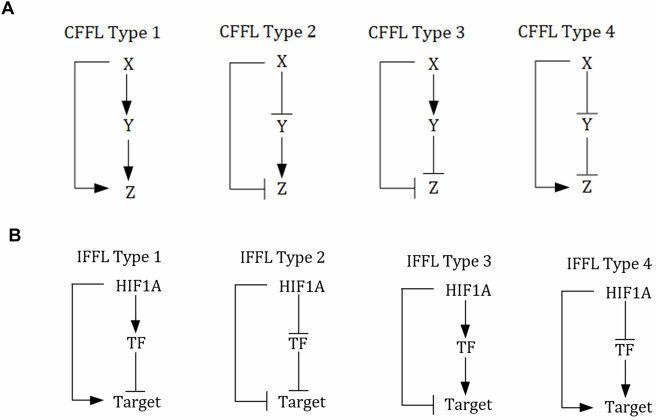 Hif-1 responsive IFFLs to explain specific transcriptional responses to cycling hypoxia in cancersnpj Systems Biology and Applications, 2025


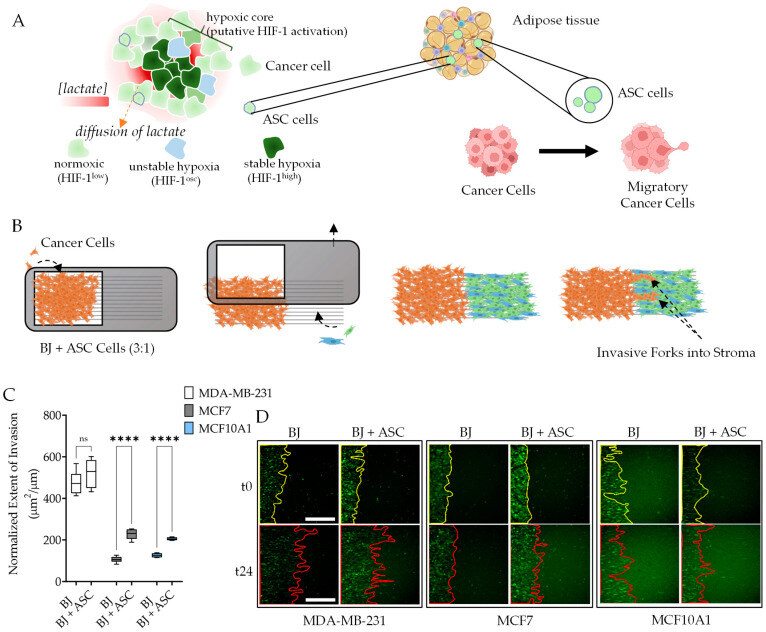 Oscillatory Hypoxia Can Induce Senescence of Adipose-Derived Mesenchymal Stromal Cells Potentiating Invasive Transformation of Breast Epithelial CellsCancers, 2024
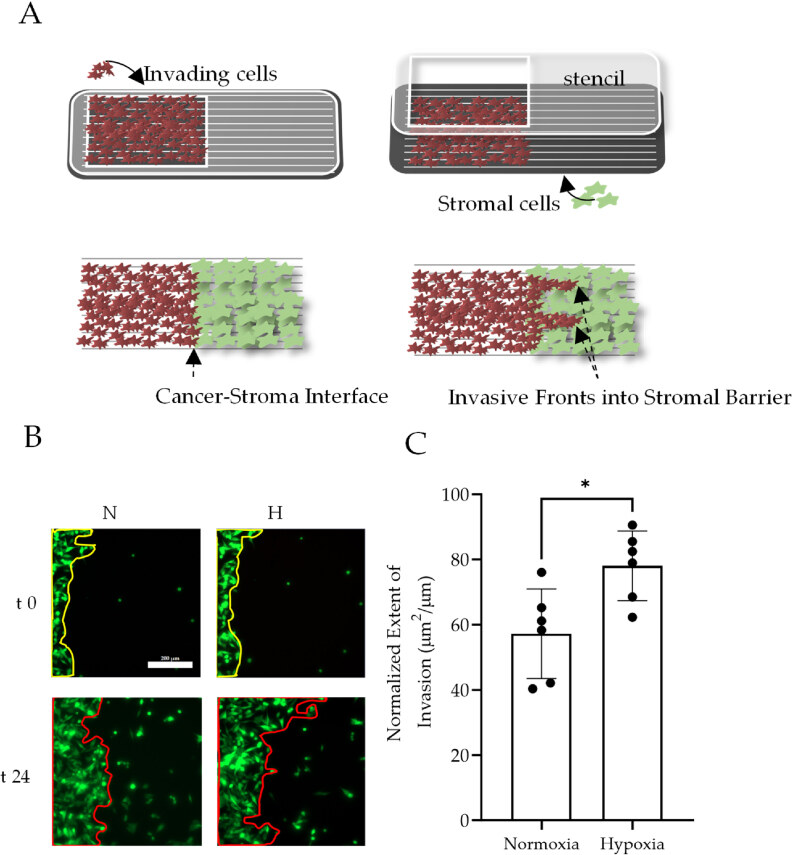 Stable and oscillatory hypoxia differentially regulate invasibility of breast cancer associated fibroblastsMechanobiology in Medicine, 2024


