Comparing fibroblasts across mammals. The tree ranks species by how invasive their placentas are, and the plots and heatmaps show genes whose expression tracks that ranking. Source: Suhail et al., Proceedings of the National Academy of Sciences of the United States of America (2022), CC BY-NC-ND.
The full description of this project, with its approach, findings and figures, is on the Suhail Lab website.
Among eutherian (placental) mammals, placental embedding into the maternal endometrium exhibits great differences, from being deeply invasive (e.g., humans) to noninvasive (e.g., cattle). The degree of invasion of placental trophoblasts is positively correlated with the rate of cancer malignancy. Previously, we have shown that fibroblasts from different species offer different levels of resistance to the invading trophoblasts as well as to cancer cell invasion. Here we present a comparative genomic investigation revealing cis-regulatory elements underlying these interspecies differences in invasibility. We identify transcription factors that regulate proinvasibility and antiinvasibility genes in stromal cells. Using an in vitro invasibility assay combined with CRISPR-Cas9 gene knockout, we found that the transcription factors GATA2 and TFDP1 strongly influence the invasibility of endometrial and skin fibroblasts. This work identifies genomic mechanisms explaining species differences in stromal invasibility, paving the way to therapies targeting stromal characteristics to regulate placental invasion, wound healing, and cancer dissemination.
EMPH
Evolution of higher mesenchymal CD44 expression in the human lineage
Xinghong Ma, Anasuya Dighe, Jamie Maziarz, Edwin Neumann, Eric Erkenbrack, Yuan Yuan Hei, Yansheng Liu, Yasir Suhail, Kshitiz, Irene Pak, Andre Levchenko, and Günter P. Wagner
CD44 is an extracellular matrix receptor implicated in cancer progression. CD44 increases the invasibility of skin (SF) and endometrial stromal fibroblasts (ESF) by cancer and trophoblast cells. We reasoned that the evolution of CD44 expression can affect both, the fetal-maternal interaction through CD44 in ESF as well as vulnerability to malignant cancer through expression in SF. We studied the evolution of CD44 expression in mammalian SF and ESF and demonstrate that in the human lineage evolved higher CD44 expression. Isoform expression in cattle and human is very similar suggesting that differences in invasibility are not due to the nature of expressed isoforms. We then asked whether the concerted gene expression increase in both cell types is due to shared regulatory mechanisms or due to cell type-specific factors. Reporter gene experiments with cells and cis-regulatory elements from human and cattle show that the difference of CD44 expression is due to cis effects as well as cell type-specific trans effects. These results suggest that the concerted expression increase is likely due to selection acting on both cell types because the evolutionary change in cell type-specific factors requires selection on cell type-specific functions. This scenario implies that the malignancy enhancing effects of elevated CD44 expression in humans likely evolved as a side-effect of positive selection on a yet unidentified other function of CD44. A possible candidate is the anti-fibrotic effect of CD44 but there are no reliable data showing that humans and primates are less fibrotic than other mammals.
Cancers
Metastatic Transition of Pancreatic Ductal Cell Adenocarcinoma Is Accompanied by the Emergence of Pro-Invasive Cancer-Associated Fibroblasts
Shaofei Liu, Yasir Suhail, Ashkan Novin, Lorrie Perpetua, and Kshitiz
Cancer-associated fibroblasts (CAFs) are now appreciated as key regulators of cancer metastasis, particularly in cancers with high stromal content, e.g., pancreatic ductal cell carcinoma (PDAC). However, it is not yet well understood if fibroblasts are always primed to be cooperative in PDAC transition to metastasis, if they undergo transformation which ensures their cooperativity, and if such transformations are cancer-driven or intrinsic to fibroblasts. We performed a fibroblast-centric analysis of PDAC cancer, as it transitioned from the primary site to trespass stromal compartment reaching the lymph node using published single-cell RNA sequencing data by Peng et al. We have characterized the change in fibroblast response to cancer from a normal wound healing response in the initial stages to the emergence of subclasses with myofibroblast and inflammatory fibroblasts such as signatures. We have previously posited “Evolved Levels of Invasibility (ELI)”, a framework describing the evolution of stromal invasability as a selected phenotype, which explains the large and correlated reduction in stromal invasion by placental trophoblasts and cancer cells in certain mammals. Within PDAC samples, we found large changes in fibroblast subclasses at succeeding stages of PDAC progression, with the emergence of specific subclasses when cancer trespasses stroma to metastasize to proximal lymph nodes (stage IIA to IIB). Surprisingly, we found that the initial metastatic transition is accompanied by downregulation of ELI-predicted pro-resistive genes, and the emergence of a subclass of fibroblasts with ELI-predicted increased invasibility. Interestingly, this trend was also observed in stellate cells. Using a larger cohort of bulk RNAseq data from The Cancer Genome Atlas for PDAC cancers, we confirmed that genes describing this emergent fibroblast subclass are also correlated with lymph node metastasis of cancer cells. Experimental testing of selected genes characterizing pro-resistive and pro-invasive fibroblast clusters confirmed their contribution in regulating stromal invasability as a phenotype. Our data confirm that the complexity of stromal response to cancer is really a function of stage-wise emergence of distinct fibroblast clusters, characterized by distinct gene sets which confer initially a predominantly pro-resistive and then a pro-invasive property to the stroma. Stromal response therefore transitions from being tumor-limiting to a pro-metastatic state, facilitating stromal trespass and the onset of metastasis.
2021
J Clin Med
Evolved resistance to placental invasion secondarily confers increased survival in melanoma patients
Mammals exhibit large differences in rates of cancer malignancy, even though the tumor formation rates may be similar. In placental mammals, rates of malignancy correlate with the extent of placental invasion. Our Evolved Levels of Invasibility (ELI) framework links these two phenomena identifying genes that potentially confer resistance in stromal fibroblasts to limit invasion, from trophoblasts in the endometrium, and from disseminating melanoma in the skin. Herein, using patient data from The Cancer Genome Atlas (TCGA), we report that these anti-invasive genes may be crucial in melanoma progression in human patients, and that their loss is correlated with increased cancer spread and lowered survival. Our results suggest that, surprisingly, these anti-invasive genes, which have lower expression in humans compared to species with non-invasive placentation, may potentially prevent stromal invasion, while a further reduction in their levels increases the malignancy and lethality of melanoma. Our work links evolution, comparative biology, and cancer progression across tissues, indicating new avenues for using evolutionary medicine to prognosticate and treat human cancers.
2019
Cell Syst
Systems Biology of Cancer Metastasis
Yasir Suhail, Margo P. Cain, Kiran Vanaja, Paul A. Kurywchak, Andre Levchenko, Raghu Kalluri, and Kshitiz
Cancer metastasis is no longer viewed as a linear cascade of events but rather as a series of concurrent, partially overlapping processes, as successfully metastasizing cells assume new phenotypes while jettisoning older behaviors. The lack of a systemic understanding of this complex phenomenon has limited progress in developing treatments for metastatic disease. Because metastasis has traditionally been investigated in distinct physiological compartments, the integration of these complex and interlinked aspects remains a challenge for both systems-level experimental and computational modeling of metastasis. Here, we present some of the current perspectives on the complexity of cancer metastasis, the multiscale nature of its progression, and a systems-level view of the processes underlying the invasive spread of cancer cells. We also highlight the gaps in our current understanding of cancer metastasis as well as insights emerging from interdisciplinary systems biology approaches to understand this complex phenomenon. Cancer metastasis is a complex disease, arising from a growing tumor from which cells escape to other parts of the body. For long, cancer metastasis was considered as a combination of steps, which were studied separately, limiting our understanding of this complex disease. Here, we present the new developments and our perspective on how the new systems biology approach is changing our view of cancer metastasis as an integrated multiscale phenomenon comprising interlinked parts that allow tumors to metastasize.

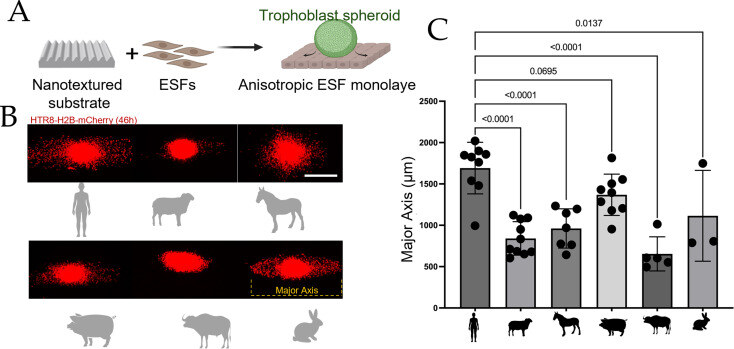 Stromal resistance to placental invasion is a derived trait in ruminantsJournal of Reproduction and Development, 2026

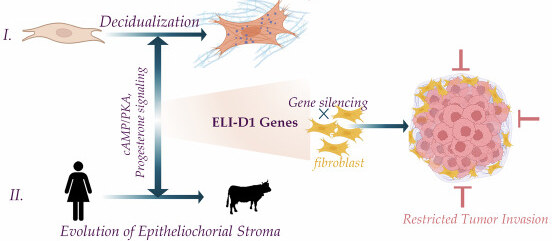 Identifying genes underlying parallel evolution of stromal resistance to placental and cancer invasionnpj Systems Biology and Applications, 2025

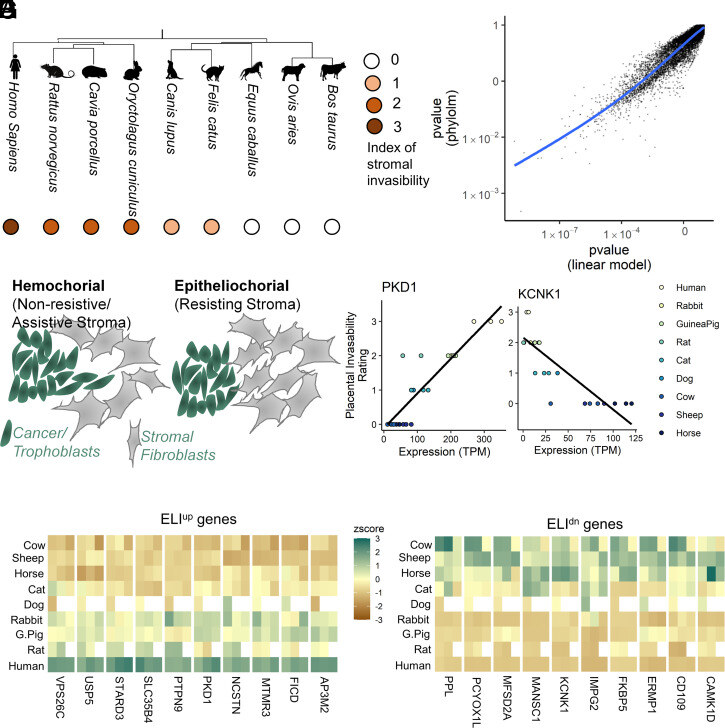 Tracing the cis-regulatory changes underlying the endometrial control of placental invasionProceedings of the National Academy of Sciences of the United States of America, 2022
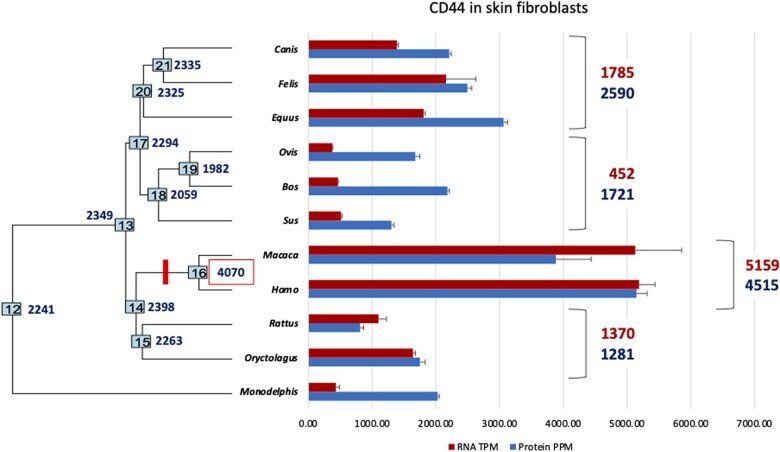 Evolution of higher mesenchymal CD44 expression in the human lineageEvolution, Medicine and Public Health, 2022
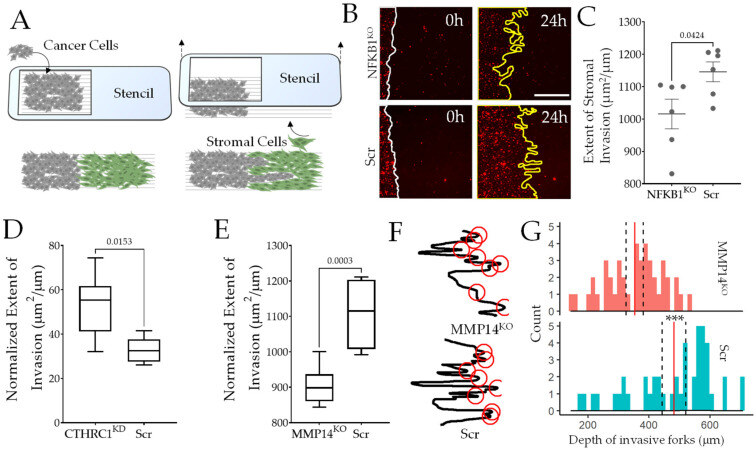 Metastatic Transition of Pancreatic Ductal Cell Adenocarcinoma Is Accompanied by the Emergence of Pro-Invasive Cancer-Associated FibroblastsCancers, 2022


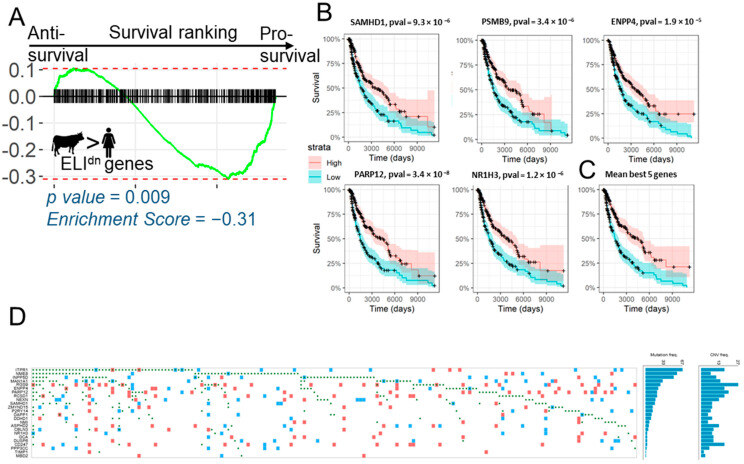 Evolved resistance to placental invasion secondarily confers increased survival in melanoma patientsJournal of Clinical Medicine, 2021

